


Location:Home > News > Industry NewsNews Center
Under Dual-Carbon Goals, Modular Buildings Become Core Carrier of Green Low-Carbon Buildings
Author:Eason Chan Source:91 Updated:2026-08-04 18:08:01
Driven by global dual-carbon goals, green low-carbon buildings have become the core direction of industry development. Modular buildings, with their natural advantages of factory prefabrication, on-site dry construction, less material was……
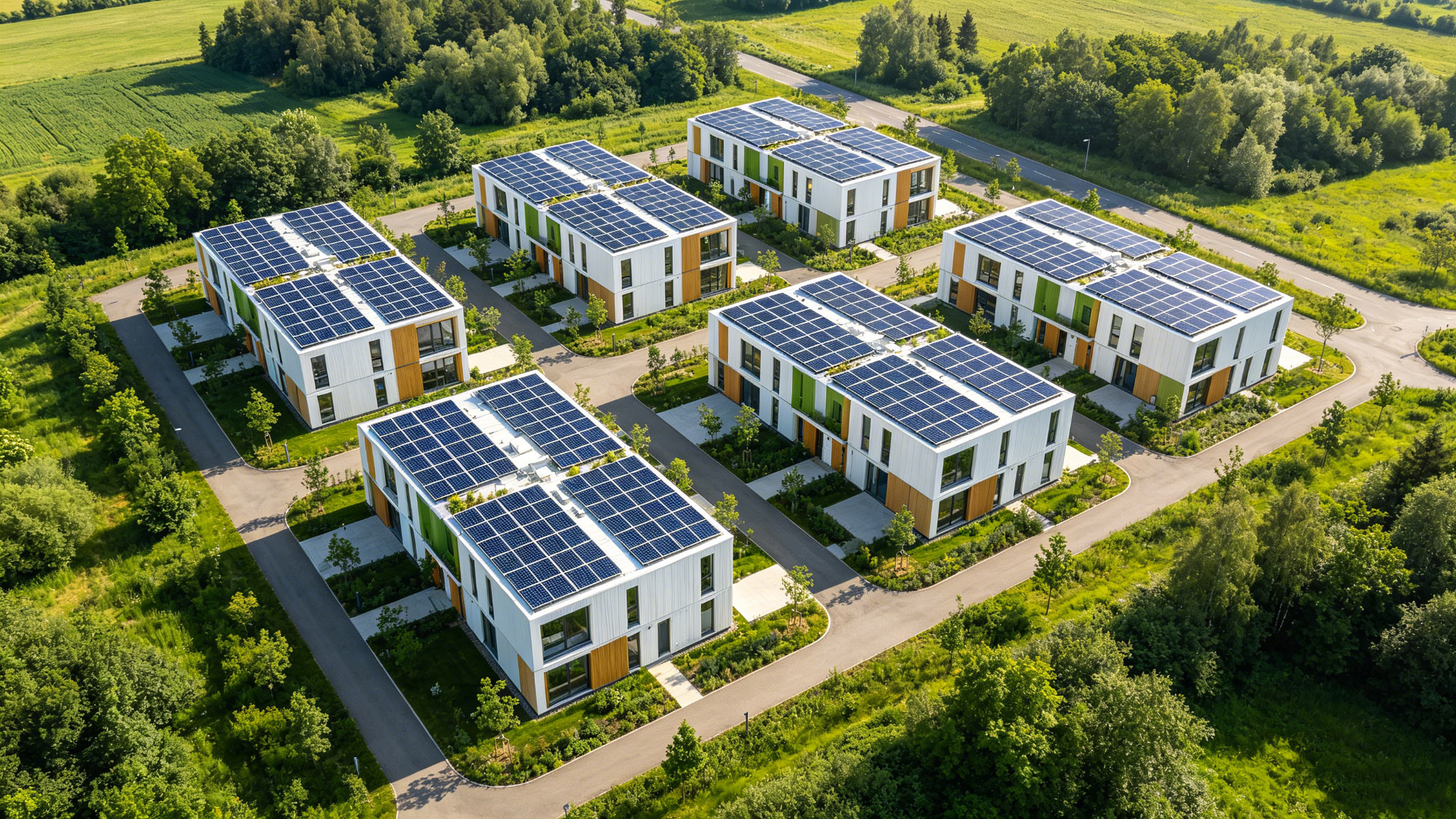
Driven by global dual-carbon goals, green low-carbon buildings have become the core direction of industry development. Modular buildings, with their natural advantages of factory prefabrication, on-site dry construction, less material waste, and recyclability, have 30%-50% lower carbon emissions than traditional buildings, and have become an important path to achieve carbon reduction in the construction field. Zero-carbon modular buildings have become a new industry hotspot.
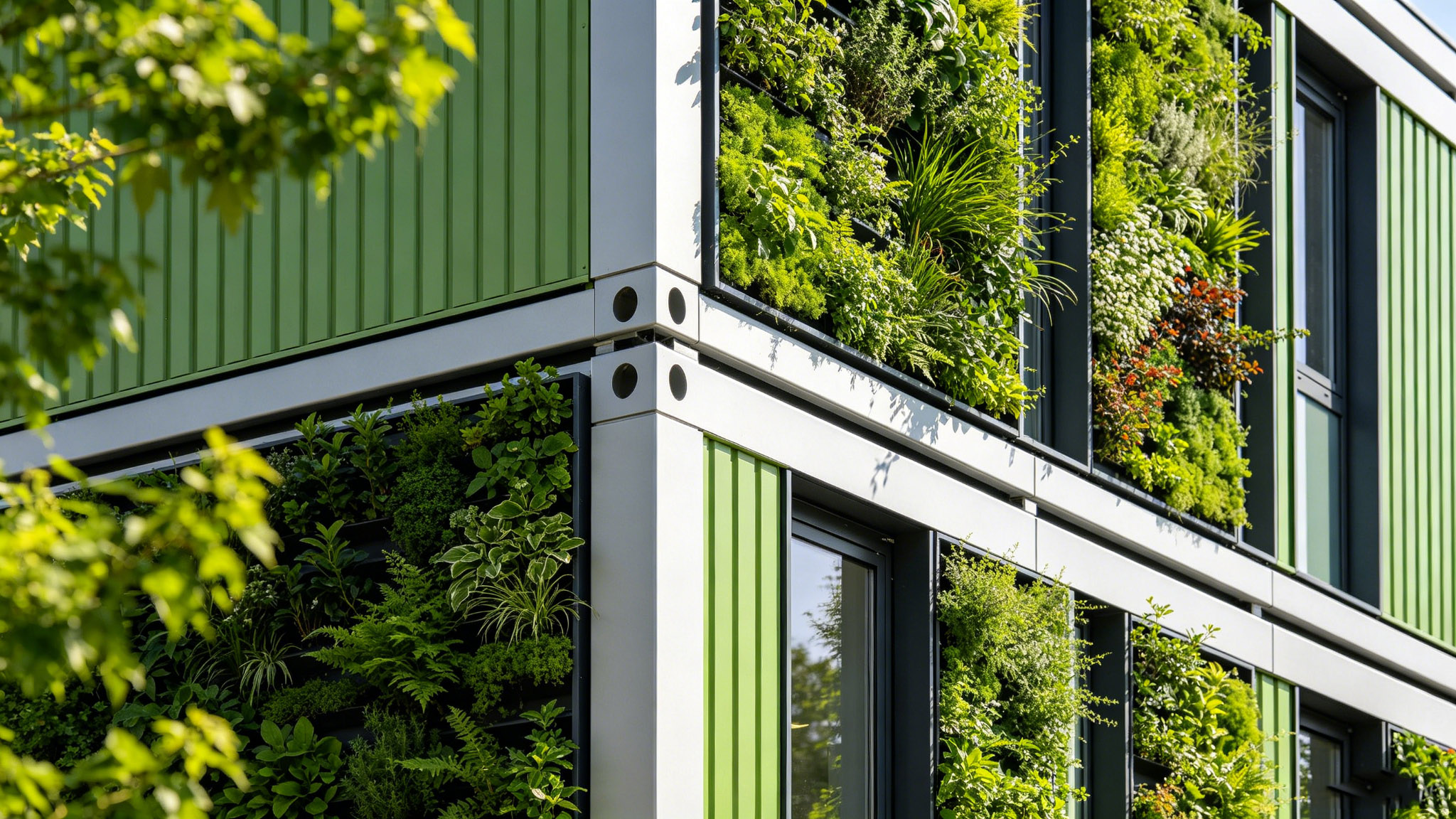
There are many benchmark projects worldwide: a zero-carbon modular residential community in the Netherlands is all built with prefabricated modular construction, matched with photovoltaic roofs and energy storage systems, achieving 100% energy self-sufficiency, and 70% lower carbon emissions than traditional houses; a modular office building in a domestic industrial park adopts recyclable steel structure and photovoltaic integrated roof, with a building material recovery rate of over 90%, and has obtained the national three-star green building certification.
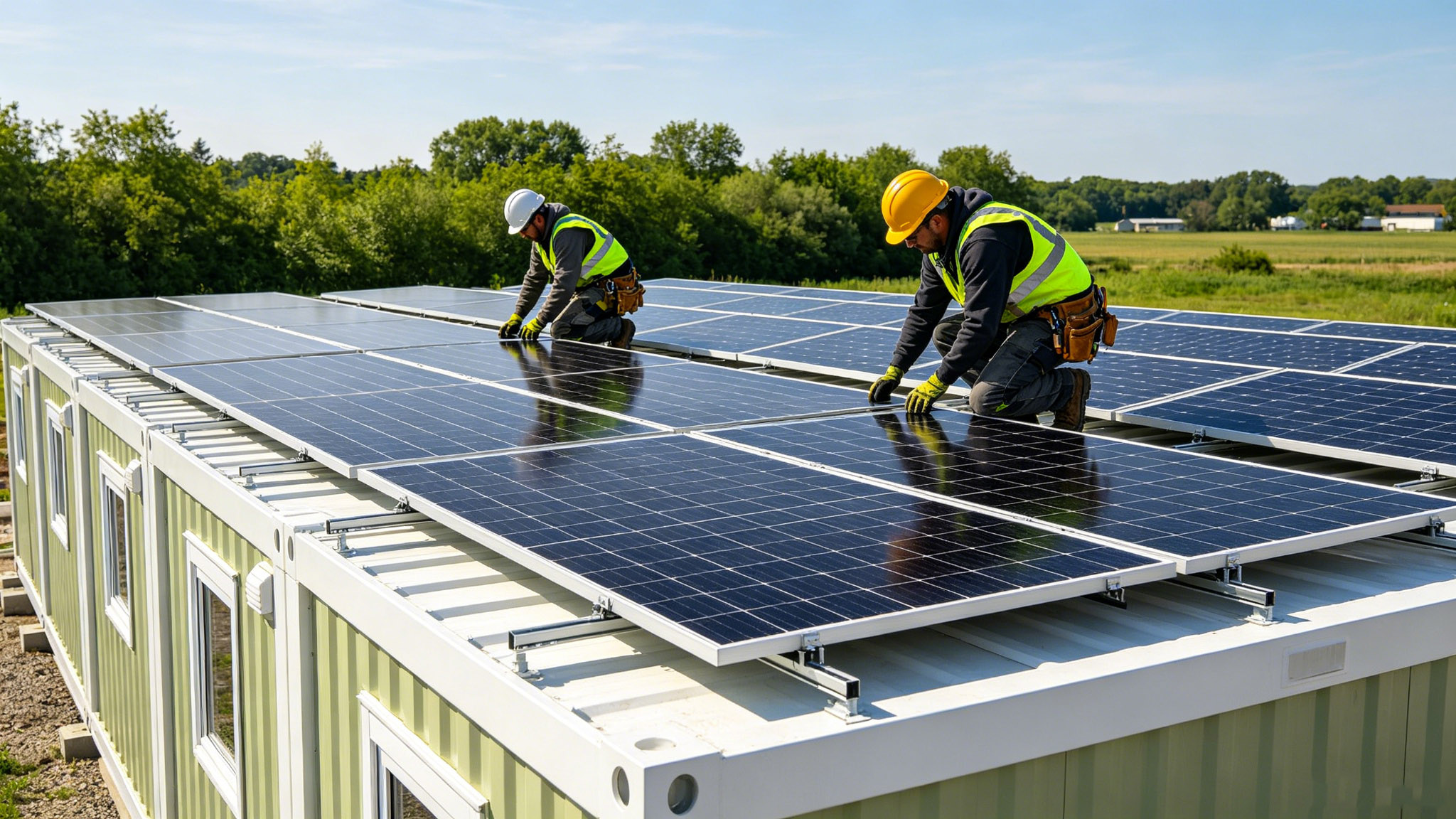
Policies are also continuously promoting: many regions in China have introduced policies requiring new public buildings to prioritize prefabricated construction methods, and encourage zero-carbon building pilots; the EU Carbon Border Adjustment Mechanism (CBAM) also promotes prefabricated building enterprises to accelerate low-carbon transformation. Industry insiders predict that by 2030, the market share of low-carbon modular buildings will exceed 60%, becoming the industry mainstream.